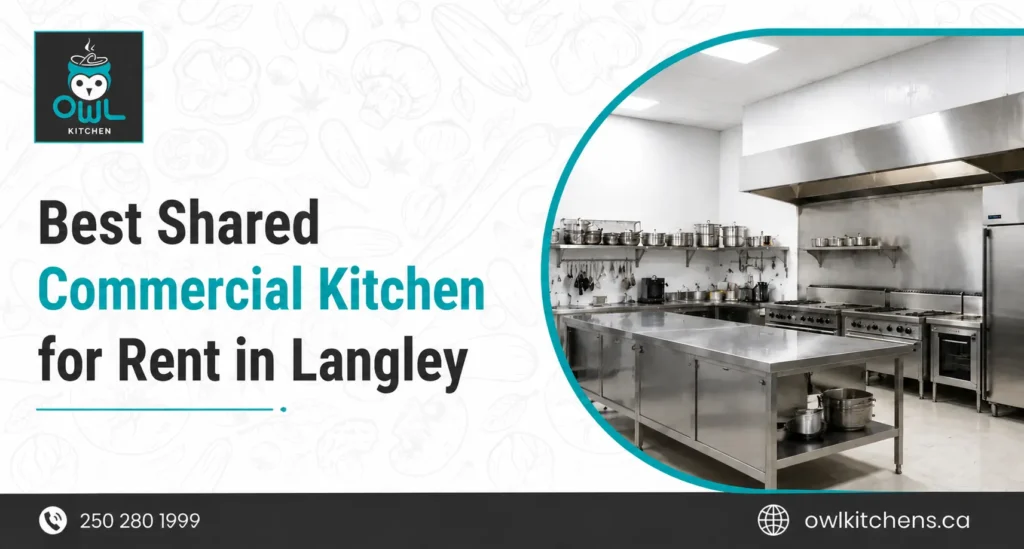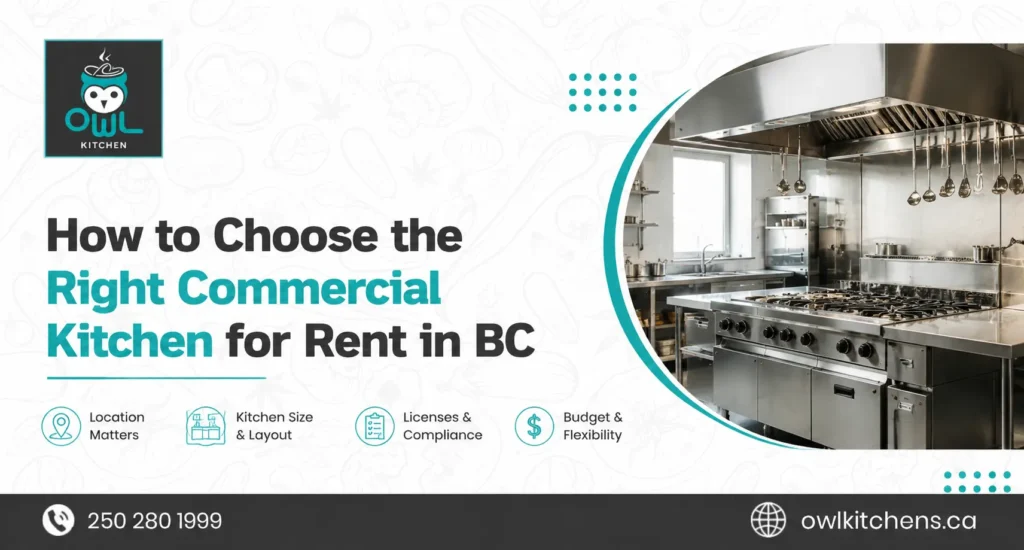
Starting or growing a food business requires more than great recipes and passion. One of the most important decisions you will make is choosing the right commercial kitchen for rent. Whether you run a catering company, bakery, meal prep service, food truck, or cloud kitchen, your workspace plays a major role in the quality of your operations and customer satisfaction.
A well-equipped commercial kitchen allows you to prepare food safely, work more efficiently, and meet local health regulations. However, not every kitchen rental offers the same features. Knowing what to look for before signing an agreement can help you make a smart decision that supports your business for years to come.
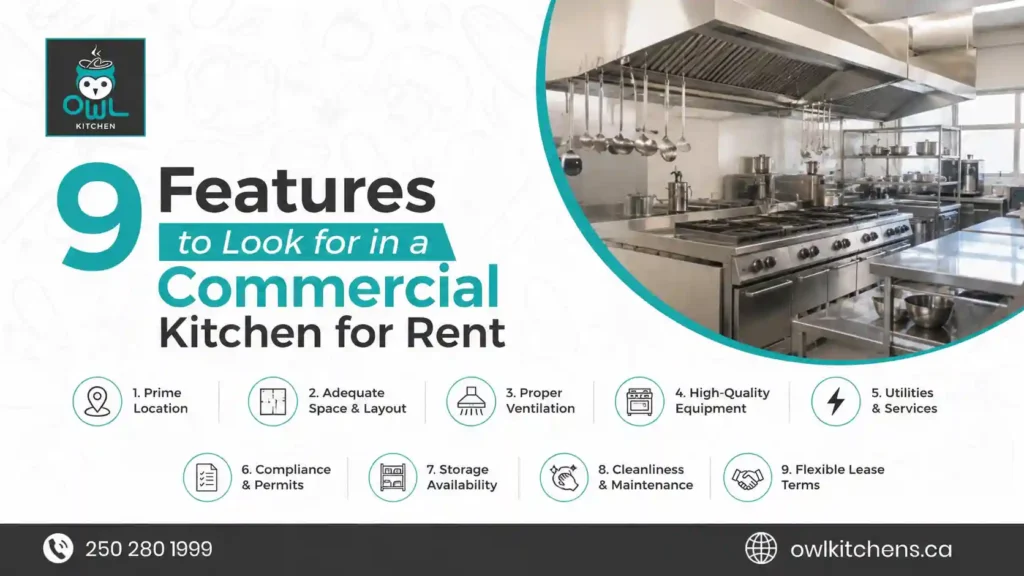
In this guide, we will explore the nine essential features every food entrepreneur should consider when selecting a commercial kitchen for rent.
Why Choosing the Right Commercial Kitchen Matters
A professional kitchen is more than just a place to cook. It becomes the foundation of your business. The right kitchen helps you save money, improve productivity, maintain food safety standards, and create a better experience for your customers.
Instead of investing thousands of dollars in equipment and construction, renting a commercial kitchen gives you access to a ready-to-use workspace with professional facilities. This makes it easier to focus on growing your business while keeping startup costs under control.
1. Health Licensed and Food Safe Facility
The first feature to check is whether the kitchen meets local health and food safety regulations. A licensed kitchen provides confidence that the facility follows proper sanitation and operational standards.
Choosing a licensed commercial kitchen for rent also helps food businesses prepare for inspections and operate according to local requirements. Before renting, ask about certifications, cleaning schedules, and food safety practices followed by the facility.
2. Professional Commercial Equipment
Every food business has unique equipment requirements. A quality kitchen should include commercial ovens, gas ranges, refrigerators, freezers, preparation tables, sinks, storage areas, and ventilation systems.
Having access to professional equipment means you can begin production without making large investments. Before choosing a kitchen, ensure the equipment matches the type of food you prepare and the volume you expect to produce.
3. Flexible Rental Options
Different businesses have different schedules. Some require daily access, while others need weekly or monthly bookings.
A flexible commercial kitchen for rent allows you to choose a rental plan that fits your production schedule and budget. Whether you are launching a new business or expanding an existing one, flexible rental options provide greater convenience and cost control.
4. Convenient Location
Location can have a significant impact on your daily operations. A kitchen that is easy to reach saves valuable time and transportation costs.
If your business serves nearby cities or relies on food delivery platforms, selecting a centrally located commercial kitchen helps improve logistics and delivery efficiency. Easy parking and convenient loading areas are additional advantages that make day-to-day operations smoother.
5. Adequate Storage Space
Storage is often overlooked, yet it is one of the most important features of any kitchen.
Look for dry storage shelves, refrigeration, freezer space, and secure areas for ingredients and packaging materials. Having organized storage helps maintain food quality and keeps your workspace efficient throughout the day.
6. Spacious and Organized Work Areas
A well-designed kitchen should provide enough preparation space for cooking, packaging, and cleaning.
An organized layout allows staff to move comfortably without interruptions. It also improves workflow and helps businesses complete orders more efficiently during busy production hours.
When comparing options for a commercial kitchen for rent, pay close attention to the amount of workspace available for your daily operations.
7. Easy Cleaning and Maintenance
Cleanliness is essential in every food business.
A professional kitchen should have cleaning stations, proper drainage, stainless steel surfaces, and regular maintenance procedures. Well-maintained equipment performs better, reduces downtime, and creates a safe environment for food preparation.
Before renting, ask how often the kitchen is cleaned and how maintenance requests are handled.
8. Business-Friendly Support
Many kitchen facilities provide additional services that help entrepreneurs succeed.
Some offer networking opportunities, business guidance, scheduling systems, secure access, packaging support, or shared resources that simplify daily operations.
Choosing a commercial kitchen for rent with business-friendly support allows entrepreneurs to focus more on serving customers and less on managing operational challenges.
9. Transparent Pricing and Rental Terms
Clear pricing makes planning much easier.
Before signing a rental agreement, understand exactly what is included in the rental fee. Ask about utility charges, storage costs, equipment usage, booking policies, cleaning responsibilities, and cancellation terms.
A transparent agreement helps avoid confusion and allows you to budget more effectively as your business grows.
How Owl Kitchens Supports Food Entrepreneurs
At Owl Kitchens, we understand that every food business has different goals. Our fully equipped commercial kitchen spaces are designed to support caterers, bakers, meal prep companies, food truck operators, cloud kitchens, and food startups with flexible rental options and professional facilities.
Our kitchens provide modern equipment, clean workspaces, convenient scheduling, and a professional environment where entrepreneurs can confidently prepare food while focusing on business growth. Whether you are starting your first food venture or expanding production, Owl Kitchens offers practical solutions that fit your needs.
Final Thoughts
Finding the right commercial kitchen for rent is one of the most important investments for any food business. A professional kitchen should offer more than cooking equipment. It should provide a safe, licensed environment, flexible rental options, organized workspaces, reliable storage, and transparent pricing.
By evaluating these nine essential features before making your decision, you can choose a kitchen that supports your daily operations and long-term business success. With the right workspace, you can spend more time creating great food, serving customers, and growing your brand with confidence.
Frequently Asked Questions
What is a commercial kitchen for rent?
A commercial kitchen for rent is a fully equipped food preparation facility that businesses can rent instead of building their own kitchen. It provides professional equipment and a workspace that supports food production.
Who can use a commercial kitchen for rent?
Commercial kitchen rentals are suitable for caterers, bakers, meal prep businesses, food truck operators, cloud kitchens, home-based food entrepreneurs, and restaurants looking for additional production space.
What equipment is usually included in a commercial kitchen?
Most commercial kitchens include ovens, cooktops, refrigerators, freezers, stainless steel preparation tables, sinks, ventilation systems, and food storage areas. Equipment may vary depending on the facility.
Is renting a commercial kitchen more affordable than building one?
For many startups and growing food businesses, renting a commercial kitchen is often more cost-effective because it removes the need to purchase expensive equipment or invest in construction and ongoing maintenance.
How do I choose the right commercial kitchen for rent?
Look for a licensed facility with quality equipment, flexible rental options, convenient location, sufficient storage, transparent pricing, and a clean, professionally maintained environment that supports your business goals.